Showing posts with label Information. Show all posts

Are you sure to have more than one dog?

Lot of dogs
Sometimes one just is not enough then you decide to keep the dog anymore. Having more than one dog can be very enjoyable but there are some things to consider before you take the risk. If you have only ever had one dog in your home, add one or more dogs are going to make the atmosphere becomes more lively and fun but it also means you have more obligations and challenges. The first question you should ask yourself is how social your dog today. If your dog is friendly enough to introduce the new dog will be much easier. If your dog is not too friendly, does not mean it is impossible to introduce a new dog, all you need is time and training.


Different stuff for 2 dogs
1 Think carefully selected second dog (or third, etc.) by doing research first. Some breed dogs better with a partner while others prefer to be alone. Try to choose a dog in the same dog breed you have. This will help you with training a dog because you are familiar with this type of breed of dog.

2 If you have a puppy, and then you decide to have a puppy again, make sure you are ready to challenge and task is more difficult because the puppy needs more attention and care than adult dogs. Some tips to help:
  • Crate is very valuable to get one-one training time with each dog. Put the two together in crate puppy when you're not there and if you're there, put a puppy in the crate while you spend time with another puppy.
  • Buy two puppy needs separately; leashes, blankets, beds, etc.
  • Use different colors for all things dog needs (blankets, leashes color, etc.) even if the puppy is not similar to each other.

Two dog playing
3 The first meet between your dog and new dog will be able to determine how to keep their relationship on, good or bad. If at all possible, try to arrange a neutral meeting place, away from home. Allow the dog to become familiar with each other and then gradually move into your home. If you adopt from shelters, take your dog to meet potential new dog to see if they will accept each other.


4 Spend special time one on one with each dog you for the attention and training. Dogs require individual attention from you without competition with other dogs and individual training sessions so that each dog can focus. You have trained the first dog and he will make your second dog to be faster to understand and it makes training a dog becomes a little easier. Dogs have a tendency to copy the behavior of one another.


Fighting like playing
5 Having more than one dog it means you have to deal with fights between dogs. Most of these fights will not be serious and will stop quickly. The most common cause of this fight is the ranking: the dogs need to find out for yourself who is the leader among them. It would be more helpful if you buy two separate dog crate and placed in a different location because this will help the dog determine their hierarchy. How to keep the fights to be serious is to castrate them (the hormone that explosive play a big factor in the aggressiveness of the dog) and for you to strengthen the pack order. To determine the pecking order, you can start with your first dog as a dominant by allowing him to receive your caresses at first, became the very first to be given treats, and the first allowed to eat.


6 When determining the hierarchy, you should pay attention to where the dog is more dominant and prominent. Even if your first dog does not become the leader (alpha dog), you should still follow this rule. Give your dog eat in order of hierarchy, by specifying the leader dog food bowl down first. Let him out the door first, and do not quibble if he monopolizes your affection.


More dog more care
7 Caring dog more than one of course the pleasure was doubled but this also means that you are spending more (dog food, leashes, health costs) time and more energy was drained. The same principle applied to have two dogs also applies to a three-and four dogs or more; that this is best left to experienced dog owners. So, if you think you are really ready to be a liability and more challenging to have more than one dog, just do it!

Prevent dog lost or stolen

Watch your dog
As a dog owner, one of the most frightening thing that could happen is the loss of your beloved dog. Some dogs lost because they were out of the yard or explore new areas and then he did not find a way home while some others are missing by stolen. Learn how to protect your dog to avoid lost or stolen and the steps that will help increase the likelihood your dog back safely if the worst happens.


Be a responsible dog owner

Responsible for your dog means to protect himself, watching and knowing where he was at all times. Avoid leaving your dog alone in the yard. Dogs love to make friends and will become easily bored if left alone. If they are bored, they will try out a variety of ways, jump or climb fences, or dig out from under the fence. In addition, dogs left alone can be stolen easily. Secure the fence and watch your dog. Do not let your dog run without a leash in the area open. Be careful when opening the door so your dog does not run out. Avoid leaving your dog in car. Make sure the safety of leashes and collars.


Fit the collar with ID on your dog

ID dog collar
Your dog should always wear a collar, and dog collar should have identification. Take time to find the best collars and ID tags for your dog and put on his neck. If your dog is found, this ID will help him return safely to your hands. Make sure the collar fit and not loose.


Always use a leash on your dog

Leash your dog
Sometimes you may be tempted to let your dog run without a leash. Perhaps you are in an empty park and think your dog will not run. In fact, each of you let the dogs run without leash area is open, you take risks. Even trained dogs can escape. A small animal or predatory instincts can generate a loud noise could scare the dog, so he fled. If your dog out of your sight, he is unlikely to find their way home. A dog can wander injured or even stolen. Using a leash is best to keep your dog visible.


Special microchip for your dog

Microchip for your dog
Microchip-sized as small as grains of rice and implanted under the skin between your dog's shoulders. This is a great way to permanently identify your dog, as the chip can be read by special scanners. They can not fall like a collar and long lasting. If your dog is scanned and the chip is found, can be traced back to you. This not only makes it easier for you to get your lost dog back, it also proves that your dog is yours if he's stolen. Be sure to keep your contact information current with the microchip company. In addition, it is still important to use a collar on your dog's neck with ID if your dog ends in the place where there is no scanner available.


Travel safely with your dog

Traveling with your dog can be fun, but safety is an important trip. Make sure that you are careful while traveling. If your dog flying, make sure the crate is safe and clearly visible identification. On the way, be careful to keep her from running out when the car door open. If he fled, be in a new place makes it more difficult for him to rediscover his way (and probably difficult for you to be contacted). Also, as mentioned earlier - do not leave him alone in the car.


Train your dog

A good obedience training is important for various reasons. If your dog is trained, you are more likely to be able to stop him when he started to walk without direction. In general, the store treats is a good idea if one day you need to call your dog. In addition, commands such as 'stay' or 'wait' can help you keep your dog not to blur.


What you do if your dog being lost or stolen

If your dog is lost or stolen, you must take immediate action. If you suspect theft, contact your local law enforcement. Make a poster that says that your dog is lost, contact the hospital and local animal shelters, go around your environment. Ask friends, neighbors and family members to help them. Most importantly, you must act quickly and do not despair.

Drinks that should not be given for the dog

Hygienic water for dog
Water is a important substance for your dog. Water is essential for good health and performance. Keeping your dog get enough water intake will help keep him healthy and active for long periods of time. A dog owner must provide clean and fresh water for their dogs. If the house is guaranteed source of clean water, you can assign a dog to drink tap water. In areas where there are minerals or high levels of contaminants in water content, it is advisable to filter water to improve its quality. If you question the quality of water available, provide bottled water to keep your dog from pain. After a workout or when the dog is too hot, you should not give him cold water because it can surprise the system in the body. Instead, give a small amount of water is cool, not cold. For container, ceramics and plastics may have contaminants that can be transferred to the dog through the water. Use a drinking cup made from stainless steel. Clean and disinfect every day of every month. Water must be replaced at least every 4 hours and the temperature must be fitted, not too cold or hot. Drinking bowl should be discarded if worn or scratched because bacteria can breed in scratches.

Drinks that should not be given for the dog :
  • Milk is not recommended
Many dogs lack the proper enzyme to break down lactose, the sugar in milk. Without the presence of enzymes to break down lactose, the milk will remain undigested and settle in the intestine. This causes diarrhea and abdominal pain. If your dog can tolerate milk, gave him a cup of all-time will not hurt. Milk with a 0% lactose content is the best choice. Milk should not be used as the main source of liquid for dogs.

  • Drinks contain too much sugar
Dog don't drink sugar
Drinks with vitamin or mineral supplements for humans can be dangerous for dogs. Dogs can only tolerate a certain amount of vitamins and minerals that are naturally contained in dog food and water. Drinks that contain a high percentage of sugar can be very dangerous for dogs with diabetes. There is also the artificial coloring and additives that can interfere with the function of the urinary tract and other systems.


  • Whole fruit is better than fruit juice
Dogs can drink fresh fruit juice in small quantities. Any fruit juice for the dog must be free from added sugar, artificial coloring, or other materials. We recommend that you give a dog than for intact and fresh fruit juices.

  • Swimming water
Do not let your dog drink from a chlorinated pool because the water contains chemicals with such high levels of chlorine. If the dog drink pool water, chlorine he swallowed more than they should and also the possibility of swallowing other chemicals. There may also algae, insects, bacteria and other harmful substances in the pool. Small mouthful of pool water will not make your dog sick yet. try to keep from drinking pool water whenever possible.

  • Salt water
Salt water should be avoided as a source of water for dogs. The content of salt harmful to dogs. Salt water also does not provide freshness to dogs and can cause a greater thirst. Excessive levels of salt in the diet can cause health problems dog the other dogs.

  • Water that non hygiene/health
Dog drink dirty water
Tap water is generally accepted as a source of water for the dogs but generally not recommended. If you know the exact amount of total dissolved solids in tap water, you can choose to use it. Water that contains less than 5000 parts per million of total dissolved solids is considered to be given to pets. Tap water may pose other risks if the levels of iron, magnesium, or high nitratnya. All water is not treated can become a harbor parasites, viruses, and bacteria.

  • Cloudy water
The water from puddles and ponds may contain bacteria, parasites, and viruses which are formed from a lack of water movement. Fungal infections due to pathogens that can grow in still water mold and mildew. An organism called Pythium insidiosum thrive and reproduce in stagnant water or grass that has been exposed to stagnant water. Organism that present in water and can cause disease is relatively rare but serious in dogs.

  • Water from toilet / laundry water
Even the cleanest bottled water or boiled will become unsafe as a source of water for the dog if placed in the dirty. Water former laundry and toilet water can contain harmful organisms and bacteria. Toilet water can also contain chemicals used to clean up dangerous for dogs.

What kind of dog suitable for your family

Choose dog
One of the most important decisions you will make is choosing what breed of dog is right for you and your family. To help you decide, here are list of profiles of dog information  that you needed to make a choice about the type of dog best suits your personal situation and his own.

Best dog breeds for pets at home

Dogs are pets who can become loyal companions if they are well trained and well guarded. As a house pet, some breeds are better than others. Dog breeds below to share properties that make them suitable to live comfortably among humans, where they will show love and protection when needed.

1. German Shepherd

German shepherd
German Shepherd dogs are known for their great intelligence and loyalty. It can be trained to perform complex activities, which has led to its use in the military, as guide dogs for the blind and search and rescue operations. As a house pet, German Shepherd became a very good guard dogs because of their loyalty. They are friendly, social dogs that can interact safely with the children. They are a suitable pet for a house with rear garden because they enjoy being outdoors.


2. Pomeranian

Pomeranian
Pomeranian is a small breed of dog lineage can be drawn from a larger dog Sledding. They are confident and energetic and happy to make friends with humans. Because of its small size and inability to withstand extreme temperatures outside the home, they are very suitable to be maintained in the room and make them breed that cocol for people without a backyard or in an apartment. Those who are passionate nature makes them good guard dog, barking at the arrival of a stranger in the house. Pomeranian is one that tends to breed healthy, so the vet care can be saved.

3. Beagle

Beagle
Beagle originated in England where they were raised as hunting dogs. Currently, they became the house pet is excellent. They are friendly, fun and active. For homes with other pets and children, this is a suitable breed for their hospitality. They enjoy being with people and can spend many days indoors, though they enjoy being outside, so the streets every day will still be required.


4. Labrador Retriever

Labrador retriever
Labrador retriever is a happy dog ​​who can be great companions for children. They need room to move, so suitable for a larger home, they will not be the best house pet for people who live in apartments. Like all dogs, they need to be trained not to mess up the house, especially when they are still puppy, but their intelligence makes them relatively easy training.


5. Siberian Husky

Siberian husky
Siberian Husky is a dog who is very active and impulsive, but a good dog to be friends. These dogs are usually compatible with children who are older, but probably not the best choice for families with infants or toddlers. Because of its energetic, this breed is not suitable for you who live in apartments or houses with a small backyard. It is important that you train your dog thoroughly, since Siberian Husky continues to search for signs of weakness.


Best small dog breed for home

Ideal dogs for a small house should be comfortable living room a more limited home, so usually are small animals that need exercise less and do not miss out being. Small dogs also defecate less than a big, important if you expect your pet to use an indoor litter box. And if you do not like to constantly sweep the dog hair, go for the seeds that shed less.

1. Chihuahua

Chihuahua
Chihuahua could only sesedikitnya 6 inches and weighs 2 pounds, but they have a big dog attitude that makes them often have difficulties when dealing with other dogs outside the home. They can be snapped at the kids but can also be a loyal friend for a couple or single person. Their feathers are falling in number.


2. Yorkshire Terrier

Yorkshire Terrier
Originally bred to hunt rats and other rodents, Yorkies are pets that adapt a house dog who likes to play pull-tarikkan or fetch. They tend to be very protective of their owners and for that reason, they are not a good breed for people who have small children.


3. Poodle

Poodle
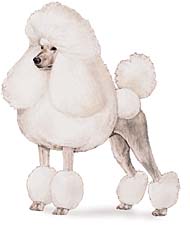
Miniature poodle and toy poodle breed is good pets stay at home. Poodles do not shed their fur is much that is suitable for people with allergies. They are intelligent and easily trained. They do not require extensive training.


4. Dachshund

Dachshund
Dachsund is a popular pet. Dachshund is a dog who likes to play around, have a high energy so take enough exercise and play, but they can adapt well to indoor life. They snapped at people when excited, so they are not good for homes with small children. They shed quite a lot of feathers and they are difficult to housebreak. Known happy barking, they fit into the dog a good watchdog.


5. Bichon Frise

Bichon Frise
Bichon Frise dogs get along well with children and other pets. They enjoy walking and being in the room happy. The most important part of their day is time spent with their owners. This is not your dog to go alone all day. These dogs are difficult to housebreak but easy to train. They shed little hair or fur.


6. Basenji

Basenji
Basenji dog breed is considered as only a "barkless." Although they are not leather in the traditional sense, Basenji is not roaring, growling and making vocalizations distinctive yodeling. Basenjis are small breed, with grown adults typically grow 15 to 17 inches and weighs 20-26 lb.

Other small-breed dogs seldom bark characteristics including Bull terrier, French bulldog, Havanese, Miniature schnauzer, Cavalier king charles spaniel, Pekingese, and pugs.


Type of dog if you have small children

How the dog is raised plays a big role in how secure it with the kids. Registering your dog in training courses to teach your dog's behavior is good too. And remember that a very large dog breeds such as Great Danes are often awkward as they grow into adults, and potentially could fall in young children. Like human children, large dogs need time to adjust to their changing bodies.

1. Golden retriever

Golden retriever
Golden retrievers are usually pretty friendly and funny. They like being around people, and are eager to please. This makes them easy to train, and often good companions for children. Their soft, thick fur makes them an extra hug-able as well.


2. Collie

Collie
Collie dogs are very calm, patiently put up with energetic kids. When treated well, collie dog usually will remain a wonderful friend to the children grow. Always monitor children around even the most calm dogs, make sure that they do not cause animal discomfort by pulling their hair or jump on them.


3. Labrador retriever

Labrador retriever
Labradors are energetic and friendly dog, as Safer Pets said, making them a great playmate for children. As children grow, Labradors will jump and play with them, their boundless energy to keep the kids active. Playing with dogs, energetic, good-hearted as Labrador will also encourage the children to spend more time outside.


4. Poodle

Poodle
Poodles are great dogs for families. Such as Labradors, they are active, so they need lots of practice. Poodles need regular treatment by a professional, so that teaching children to brush Poodle carefully and often, also to keep the fur from getting tangled.


5. Bloodhound

Bloodhound
Dogs tend to be soft, even-tempered dogs are good with children. However, their large size can make them awkward around kids, as the website adds, and sometimes their determination to try to follow the smell. As such, they are best for children who are not too young. Set clear rules about who can walk the dog so he does not end up walking your children.


6. German shepherd

German shepherd
German Shepherds often do well with children, and their high intelligence makes them easy to train. As with other descendants, reinforce good behavior every day and make sure that your energetic shepherd get enough exercise, while monitoring the dog around the kids.


7. Newfoundland

Newfoundland
Newfoundlands are big dogs that will have long periods of awkward when they grow into their adult size. So, as a very big dog, you should consider whether your family is ready for a dog of this size. However, Newfoundlands are bred to be a water rescue dog, and the kids will love playing in the pool or the river with this, a giant furry friendly.


8. St Bernard

St Bernard
St. Bernard also rescue dogs, rescue people who become lost or stuck in the snow. They do not really like to play, such as 5 Star Dog says, but they are gentle and patient with children. Like other large breeds, they will be awkward as they grow older. However, St. Bernard will grow into a dog, loyal family protector.


Purebred dogs for home safeguard

Best dog for home defense are those who both command presence by their appearance and voice, but also in their temperament. particular dog originally bred for the purpose of a safeguard land and livestock. When raised correctly, these dogs make some of the best defenses house pets because they are inherent in nature.

1. Rottweiler

Rottweiler
Rottweilers originated in Germany as a guard dog that protects the herd of cows while they travel from market to market. Rottweilers are large dogs that have a strong mind. This powerful mind allows Rottweiler to be a smart dog that can be easily trained. When teaching a Rottweiler that there needs this training completed by a professional. Rottweilers have a protective instinct without being trained, so you will want to avoid further stimulate this instinct by doing their own training. Prospective Rottweiler owners should look for breeders who can be trusted to avoid the bad ends with a dog bred. oblique strains can have a serious impact on dog behavior and learning ability. pottweiler is not recommended for first time dog owners because they have a high drive that must be channeled properly.


2. Doberman

Doberman
The Doberman is a very intelligent dog and very good for search and rescue missions, assisting police and is often used as a guide for the blind. The Doberman has a slender body type and they can grow into large animals. Their appearance is one that gives the impression of strength, courage and endurance. The Doberman is a loyal, highly trained and very intelligent. This is a dog who will do anything to make their owners happy. A Doberman has the ability to be friendly and really quiet when relaxing with his family, but can be equally cruel and there is no fear when confronted with hostile situations. It is necessary to buy a doberman from a breeder with a good reputation as you want to avoid behavioral problems that can arise when the bloodline is blurred from poor husbandry. Be sure to provide a disciplined routine with Doberman to help create good habits and they always have to follow the instructions.


3. Brazilian mastiff

Brazilian mastiff
Mastiff The Brazilian looked like a combination of bloodhound and mastiff. These are animals who are raised without fear during the 19th century in an effort to protect Brazil's plantations. Signature feature of this dog is a very big head. The joints of this Mastiff is loose in the spine and legs, allowing it to change direction suddenly while running. Face of the Brazilian Mastiff often appeared sad as she breaks, but appeared happy during the standby state. These dogs are very trust and fear for nearly every situation. When confronted with strangers and strange situations that the Brazilian Mastiff will not disguise his reluctance. However, they are both affectionate and obedient to their human family. This is not a dog suitable for everyone. With their aversion to strangers, can be a problem if you regularly have strangers enter the house.


Purebred dogs the most easily trained

You have decided to buy a dog, but not sure which breed would best be trained. You may want to train a dog to obedience general, security objectives, take, help around your house, or as a guide and helper for the view-interference or physical disabilities. Intelligence is only one factor to consider, because most intelligent dog is not necessarily the most devout. Best trained dog is not only their intelligence, but a willingness to please, adaptable and loyalty in their lineage breed.

1. Border Collie

Border Collie
Border collies are very intelligent dogs with great stamina who is known for its ability to round-up herd sheep and cattle. The border collie create loyal companion, helper dog, guide dog for the blind, and is one of the descendants of the easiest to train. The winner is often competition obedience and agility, border collie was the happiest when confronted with the task.


2. Poodle

Poodle
Poodles originated in Germany where they were bred for hunting. Currently, the standard poodle intelligent, affectionate and easy to train. Poodles excel in obedience, tracking and working as a guard dog. Daily Walk your poodle and allowed to walk freely in the fenced-in area, because they have a high amount of energy and need exercise. Poodles come in various colors, like white, black, beige, brown, apricot red, and blue.


3. German Shepherd

German shepherd
German shepherds are used throughout the world as police dogs, search and rescue dogs, detection dogs, and to warn the enemy army, hidden bombs and traps. They even have been trained to parachute out of the military aircraft. Despite their large size, the German shepherd, faithful, gentle and ideal family dog. German shepherds are naturally protect their family and one of the best to train dogs for home security. Because the German shepherd is very lively and energetic, they need daily walking and exercise in order to thrive and be happy.


4. Golden Retriever

Golden retriever
Golden retrievers are often used as guide dogs, search and rescue dogs, detector dogs and retrievers water. Golden retrievers are great with kids, very loyal friend and love to please their masters, which makes them one of the descendants of the easiest to train. The golden retriever high intelligence helps them to achieve tasks such as opening a cupboard, wearing socks and other assistance to owner-vision disturbances or physical disabilities. Golden retrievers are one of the more useful for hunting dogs.


5. Doberman

Doberman
Doberman is considered one of the most trained dogs for obedience and keep the house, because they are intelligent, alert and loyal to its owner. Originally trained Doberman to be a personal protection dog, and being very aggressive. Today, through selective breeding, they have developed a much more friendly personality.

How much water should dog drink?

Water for dog
Water for your dog is very important because many benefits for your dog. Water serves to carry nutrients throughout the body and also a lubricant for the body's tissues and helps in the detoxification process. In addition, water also helps in regulating body temperature. Monitor your dog's water intake to improve health, prevent disease and ensure they are not dehydrated or over hydration. Too little water intake can cause dehydration in dogs, kidney stones, organ failure and even death and too much water intake can cause stomach bloated, electrolyte imbalance, and hyponatremia (water intoxication). Please note that if your dog is drinking too little or drinking too much, it could be a sign of disease so you should bring your dog to the vet if he did one of two things.

There is no fixed amount of water intake of dogs that must be taken daily. This depends on a number of reasons, such as diet, temperature, and how much exercise he does. Usually, a dog with dry food will drink more than a dog with canned food to compensate for water deficit. If the temperature is hot and training increases, the need for water will increase.

You never can know with certainty how much water he drank because dogs can drink from a source other than the water bowl. However, on average, intake of healthy dogs drink about ½ to 1 ounce of water per pound of body weight per day. When viewed from age, puppy need about ½ cup every two hours while senior dogs tend to monitor themselves naturally. At the time of exercise, carry water with you. Give your dog a little water at the end of the exercise or during rest.

To check for dehydration in dogs, take a piece of skin at the nape of your dog. Pull slowly and release. If the skin back slowly and formed a "tent", it means your dog is dehydrated. You can also check his gum, gum dull and sticky means dehydration. As for over-hydration, dogs will often vomit, act confused or become lethargic.

You should not give him water when he vomited because water can produce more vomit, and the reduction of vital body salts. Conversely, there are times when you should encourage him to drink, for example, when he has a urinary infection in the zone, or gallstones.

Tips for dogs who drink less, do the following:
1. Praise him and give him treats every time he went for a drink
2. Place the water near where he usually sits or chatting (bed, food, etc.)
3. You can add a package of dog taste into the drink to make it more tempting
4. If he's still not drinking enough, give him some chicken or beef broth and gradually add water to the mix
    Tips for the dog that is too much to drink, do the following:
    1. Ration portion of the water in his dog bowl
    2. Try using water feeder for rabbits in the crate your dog to control the water intake